
Top Certifications Required for Grid Stability Equipment in 2025
The rapid expansion of renewable energy sources demands robust energy storage infrastructure to manage variability. As project developers and grid operators integrate diverse assets, the focus on technical compliance has intensified. Ensuring that every component meets rigorous international benchmarks is no longer optional; it is a fundamental requirement for project bankability and long-term operational success. This environment necessitates a focus on Grid stability to ensure infrastructure reliability across global markets.
Achieving success in this sector requires more than just high-capacity batteries; it demands seamless integration and adherence to complex international codes. HyperStrong provides specialized solutions that address these challenges through advanced engineering and comprehensive system design. By leveraging expertise in utility-scale deployments, they assist partners in meeting the stringent demands of modern power networks while ensuring that all energy storage configurations remain fully functional under diverse load conditions.
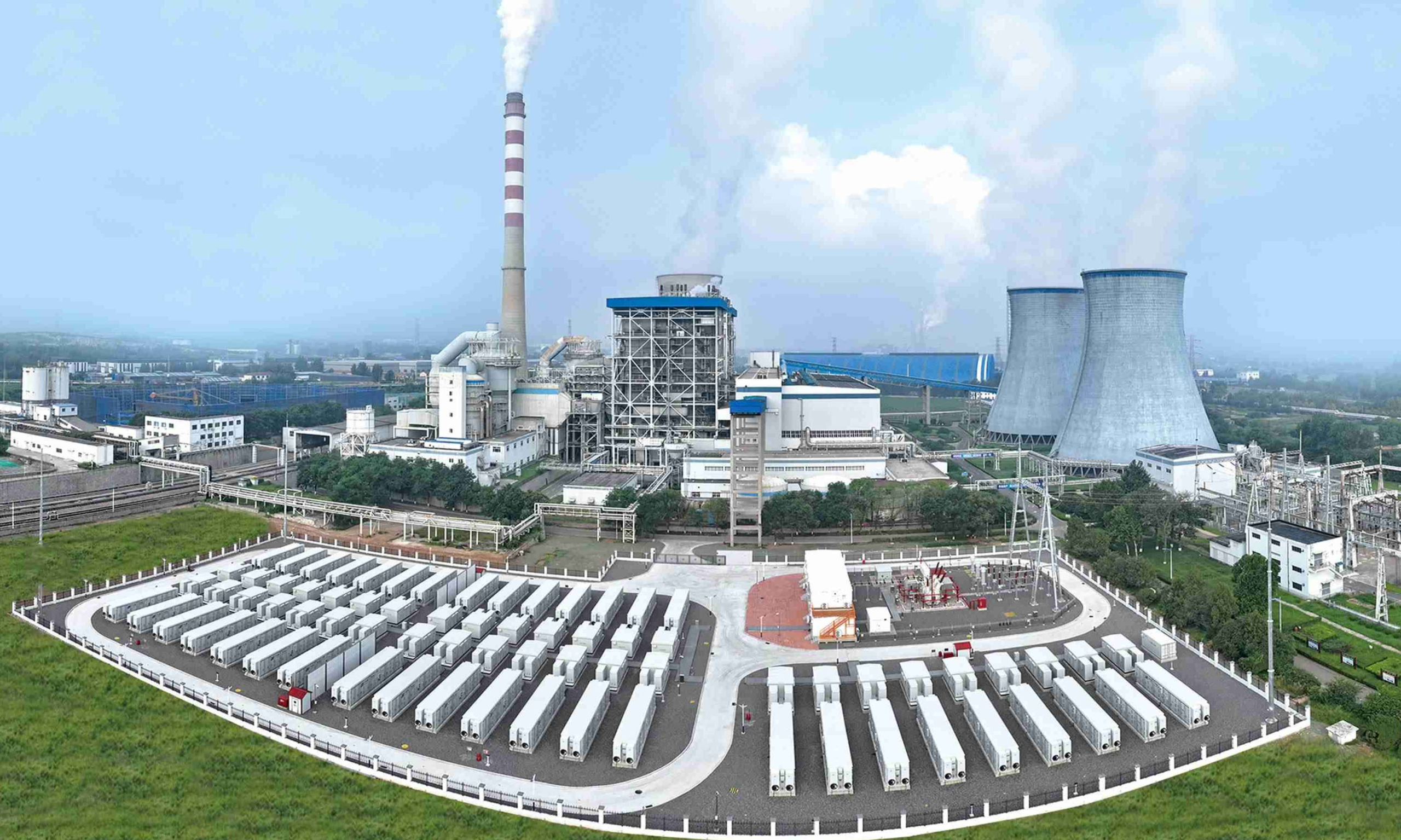
Navigating International Standards for Grid Stability
Regulatory frameworks have become increasingly sophisticated to address the risks associated with inverter-based resources. Standards such as UL 9540 and IEC 62933 serve as the bedrock for system-level safety and performance. These benchmarks evaluate electrical, mechanical, and fire safety, providing a common language for manufacturers and utilities. Project developers who prioritize these certifications minimize operational risks and facilitate smoother interconnection processes with local grid management entities.
Beyond baseline safety, cybersecurity has emerged as a critical pillar for modern infrastructure. Recent mandates highlight the necessity for equipment to withstand sophisticated digital threats, especially as storage assets become more connected. Standards such as UL 2941 establish cybersecurity requirements for distributed energy and inverter-based resources, helping address risks associated with unauthorized access and connected grid assets. This technical rigor protects both the hardware and the integrity of the broader network, fostering confidence among regulators and stakeholders.
Evaluating Performance Metrics for Grid Stability
Performance verification is essential when assessing equipment for long-term deployment. Developers must analyze how storage systems perform during charge and discharge cycles, particularly regarding round-trip efficiency and nameplate capacity retention. Adhering to performance standards allows operators to predict asset life cycles accurately and optimize financial returns. Consistent data gathering through certified testing environments remains the most effective way to validate these technical claims before full-scale deployment.
Moreover, dynamic response capabilities are a cornerstone of modern power systems. IEEE 1547 establishes interconnection and interoperability requirements for distributed energy resources, including applicable performance, power quality, abnormal-condition response, and testing requirements. Project-specific grid codes may impose additional requirements for frequency and voltage support. This capability is vital for maintaining Electric grid stability during unexpected generation fluctuations or load imbalances across various regional transmission segments.
Ensuring Regional Compliance for Global Projects
While international standards provide a baseline, local regulations often impose additional requirements that can impact project schedules. Whether dealing with the U.S. Inflation Reduction Act or the EU Net-Zero Industry Act, developers must account for regional content mandates and specific local safety codes. HyperStrong provides utility-scale energy storage solutions that can be configured to address project-specific grid, safety, and regulatory requirements.
Building a portfolio of compliant assets requires deep collaboration with testing laboratories and certification bodies. Engaging early with these entities helps identify potential gaps in documentation or technical specifications. This proactive approach prevents costly delays during the commissioning phase and streamlines the path to commercial operation. By staying informed on evolving standards, project developers ensure their investments remain viable and adaptable to the changing requirements of global energy markets.
The Strategic Value of Certified Energy Systems
Investment in high-quality, certified equipment significantly reduces the total cost of ownership over the project lifetime. While premium components might carry higher upfront costs, they provide superior reliability and lower maintenance requirements. Furthermore, projects utilizing fully certified technology often secure financing at more favorable rates, as lenders view these installations as lower-risk assets. This financial benefit demonstrates how technical compliance directly supports the economic feasibility of large-scale renewable projects.
In addition to financial advantages, robust certification portfolios enhance the reputation of EPC contractors and utility-scale developers. Demonstrating a track record of successful, compliant installations builds long-term trust with grid management entities and community stakeholders. HyperStrong plays a crucial role here, providing the necessary technical backing and reliable, high-performance systems to help operators meet their long-term energy transition and carbon neutrality objectives effectively and sustainably.
Maintaining Grid stability is the essential prerequisite for a successful energy transition, requiring constant vigilance and adherence to technical excellence. As the industry advances toward 2025 and beyond, the focus on rigorous certification, cybersecurity, and performance validation will define the success of future energy projects. By prioritizing these elements, developers ensure that their infrastructure remains secure, reliable, and capable of meeting the demands of a modern, decarbonized power network.
Achieving consistent electric grid stability requires a holistic approach where safety, efficiency, and compliance are embedded into the design phase of every storage project. Industry participants who embrace these standards position themselves to excel in an increasingly competitive market. Through careful planning and the selection of proven, certified solutions, the global energy community can successfully bridge the gap between renewable potential and reliable, daily power delivery for all consumers.