
How to Get to Everest Base Camp
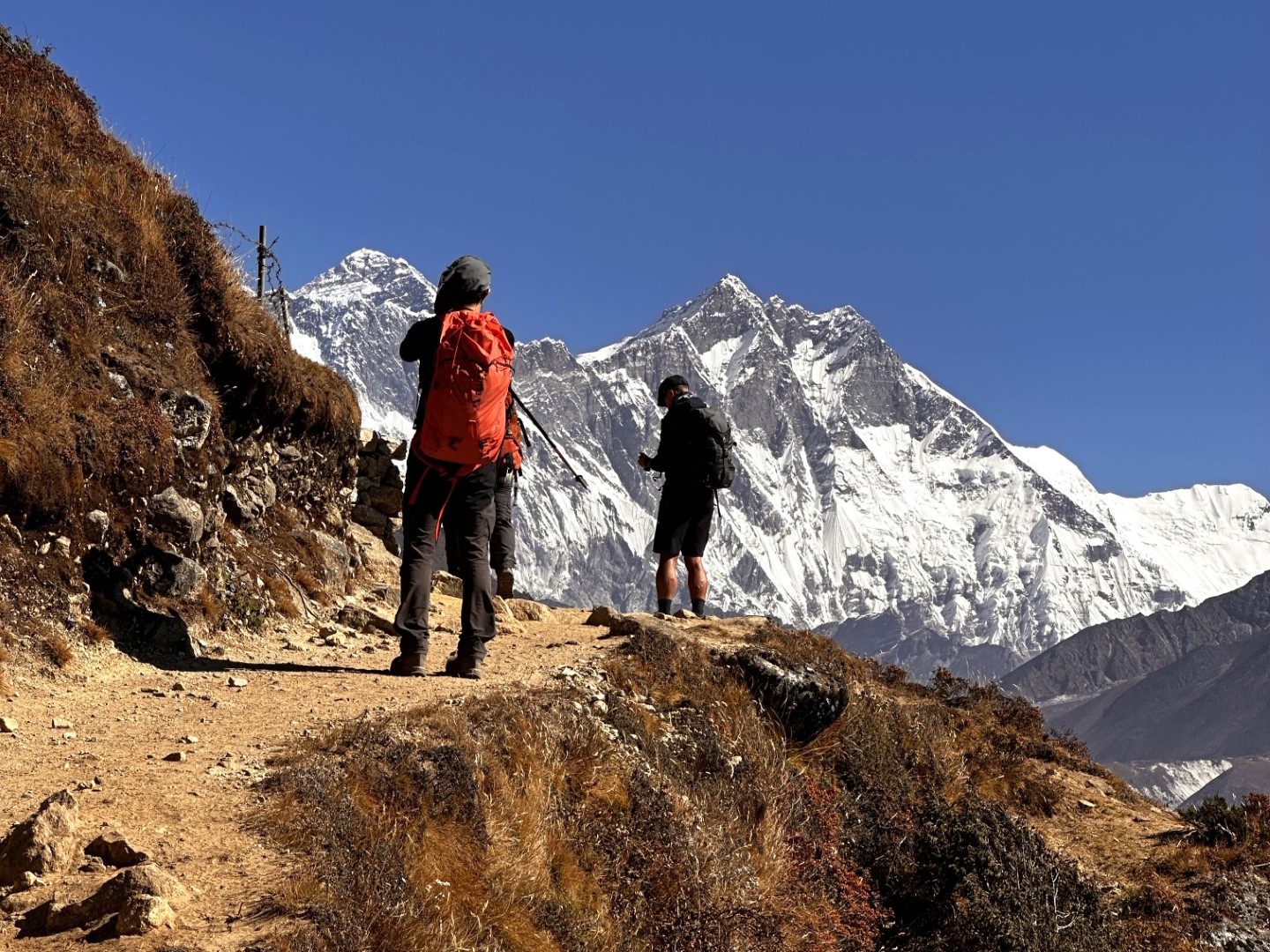
Reaching Everest Base Camp (EBC) is a dream for trekkers worldwide, offering stunning views of the world’s tallest peak and the surrounding Himalayan giants. There are multiple ways to approach this iconic destination, each providing a distinct experience depending on fitness level, time availability, cultural interest, and sense of adventure.
From classic trekking paths to helicopter tours, every route has its own charm. This guide explores the most popular ways to get to Everest Base Camp and what makes each route special.
The Classic Route
The classic Everest Base Camp route, often referred to as the Lukla to EBC trek, is the most popular and widely undertaken path. Trekkers typically fly from Kathmandu to Lukla, a 20-minute flight across the Himalayan foothills. From Lukla, the trail winds through charming Sherpa villages such as Phakding, Namche Bazaar, Tengboche, Dingboche, and Lobuche, eventually reaching Everest Base Camp and the nearby viewpoint of Kala Patthar.
What makes the classic route so appealing is its accessibility, well-marked trails, and network of teahouses. It offers a balanced mix of cultural experiences, scenic views, and manageable altitude gain, making it ideal for first-time high-altitude trekkers.
Along the trail, travelers encounter Buddhist monasteries, prayer flags, and welcoming local communities, which adds to the richness of the journey. The infrastructure of the classic route ensures safety and support, making it the benchmark for trekking to Everest Base Camp.
Jiri Route
The Jiri route is the original path to Everest Base Camp, historically used before the Lukla airport existed. Trekkers begin their journey in the town of Jiri, located in the lowlands southeast of Kathmandu. This trek spans approximately 23–25 days, taking hikers through subtropical forests, terraced villages, and gradually ascending terrain until reaching Lukla, where it merges with the classic EBC trail.
The Jiri route is perfect for those who want a traditional, extended trekking experience and more gradual acclimatization. Because the altitude gain is slower than on the Lukla-starting trek, it reduces the risk of altitude sickness. Additionally, trekkers experience a greater variety of landscapes and communities that are often skipped on the shorter, more popular routes. The Jiri trail is a journey through history, offering a glimpse of what Everest trekking was like before air travel became common.
Gokyo to Everest Base Camp
The Gokyo to Everest Base Camp route is a stunning alternative for trekkers looking for less crowded paths and spectacular alpine scenery. Starting from the Gokyo region, hikers ascend to Gokyo Ri, a viewpoint offering panoramic views of Everest, Cho Oyu, and surrounding peaks. From Gokyo, the trek continues through the Three Passes region or via the Ngozumpa Glacier, eventually joining the traditional EBC trail at Dingboche or Lobuche.
This route is known for its serene lakes, glacial landscapes, and dramatic mountain views. What makes it particularly special is the opportunity to traverse quieter areas compared to the classic trail, providing solitude amidst some of the most impressive scenery in the Himalayas. Trekkers on this route witness pristine glacial lakes, high-altitude moraines, and unique flora and fauna, making it an ideal choice for photographers and nature lovers.
Three Passes Trek
The Three Passes Trek is considered one of the most challenging and rewarding ways to reach Everest Base Camp. This trek involves crossing three high passes: Kongma La, Cho La, and Renjo La, which are all above 5,300 meters. Starting from Lukla, trekkers pass through villages and monasteries, eventually crossing these rugged high-altitude passes before arriving at EBC and optionally climbing Kala Patthar for sunset or sunrise views.
What sets the Three Passes Trek apart is its adventure factor and unmatched panoramic views. Crossing these passes provides a sense of achievement and exposes trekkers to remote valleys, glaciers, and towering Himalayan peaks.
The route is physically demanding, requiring strong fitness, careful acclimatization, and experience with high-altitude trekking. Despite the challenge, the Three Passes Trek is highly rewarding due to its spectacular vistas, reduced crowding, and unique perspective of Everest and the surrounding mountains.
Tumlingtar Route
The Tumlingtar route is an alternative entry point to the Everest region from the southeastern plains of Nepal. Trekkers start in Tumlingtar, a small town with an airport connecting to Kathmandu. From there, the trek gradually ascends through lower hills and villages before eventually joining the traditional EBC trail near Num or Salleri.
This route is ideal for trekkers seeking gradual acclimatization and a longer journey through diverse landscapes, including subtropical forests, terraced farmland, and remote settlements. The Tumlingtar route offers a more authentic, less commercialized trekking experience, allowing hikers to interact with villagers and experience Sherpa culture in smaller, less visited communities. This path provides a longer and slower ascent, which helps the body adjust naturally to high altitudes and offers a sense of adventure off the beaten path.
Helicopter Tour
For travelers with limited time, physical constraints, or a desire for luxury and efficiency, a helicopter tour to Everest Base Camp is a remarkable option. Helicopters can depart from Kathmandu or Lukla, flying directly to Everest Base Camp or Kala Patthar, offering breathtaking aerial views of the Himalayan range.
What makes the helicopter tour appealing is its speed, accessibility, and dramatic perspective. Trekkers can experience the magnificent Everest region without days of trekking, capturing stunning photographs of the peaks, glaciers, and valleys.
While it lacks the physical challenge of trekking, the helicopter tour provides a unique and unforgettable perspective of Everest and nearby mountains, making it ideal for travelers who are short on time or unable to undertake strenuous hikes.
Comparing the Routes
Each route to Everest Base Camp offers a distinct experience:
- Classic Route: Accessible, well-supported, rich in cultural and scenic highlights, ideal for first-time trekkers.
- Jiri Route: Historical, extended trek with gradual acclimatization and diverse landscapes.
- Gokyo to EBC: Less crowded, scenic lakes, glaciers, and panoramic Himalayan views.
- Three Passes Trek: High-adventure, physically demanding, remote, and breathtaking.
- Tumlingtar Route: Slow ascent, authentic cultural encounters, and gradual acclimatization.
- Helicopter Tour: Quick, luxurious, and visually spectacular, though lacks physical challenge.
Choosing the right route depends on fitness level, trekking experience, time availability, and desired experience. Some trekkers even combine routes, such as starting from Gokyo and returning via the classic EBC trail, to maximize scenic variety and cultural exposure.
Conclusion
Reaching Everest Base Camp is a dream for many adventurers, and the journey can be tailored to different preferences, abilities, and timeframes. Whether hiking the classic route for the iconic experience, crossing the Three Passes for adventure and solitude, taking the scenic Gokyo route, or flying by helicopter for a quick glimpse of the mountains, each route offers unique rewards.
Careful planning, awareness of physical demands, and an understanding of the trail conditions ensure that every trekker can enjoy the journey safely and meaningfully. Regardless of the path chosen, the experience of walking in the shadow of the world’s tallest peaks, witnessing pristine landscapes, and connecting with local culture makes the journey to Everest Base Camp an unforgettable adventure.